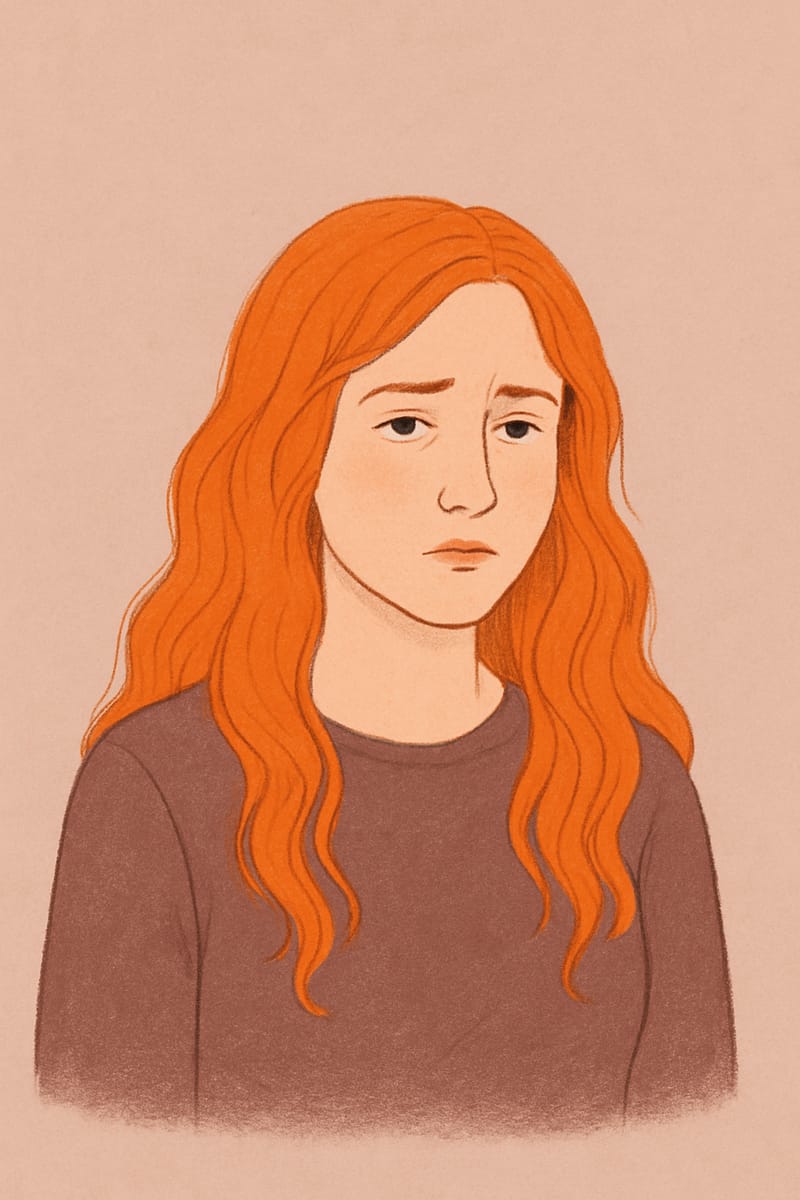
Living with ataxia has taught me something surprising: my body speaks a language I’m still trying to understand, and one of the biggest things I’ve discovered is how strongly women’s hormones affect my symptoms.
For a long time, I thought I was “randomly” getting worse on certain days. But the more I learned, the more I realized it wasn’t random at all, it was my menstrual cycle.
When Estrogen Drops, I Drop Too
Estrogen usually supports the nervous system, so when it falls—especially right before my period I feel it immediately. On those days:
- my balance gets worse
- my coordination feels fragile
- my brain fog deepens
- my tremors increase
- even speaking becomes slower and heavier
It feels like someone unplugged the connection between my brain and my body.
Progesterone: The Silent Weight
During the luteal phase, progesterone rises. People call it a calming hormone, but for me it often feels like gravity suddenly doubled. When progesterone is high:
- I feel slower
- my muscles react poorly
- I get tired quickly
- everything becomes more effortful
For someone with ataxia, this “slowing down” becomes overwhelming.
The Luteal Phase aka Hell Phase
This phase affects me in so many ways:
- My body temperature increases.
- I feel bloated and heavy.
- My sleep gets disrupted.
- My tremor is stronger.
- My balance becomes unpredictable.
- I feel so depressed and this affects my motivation.
Every time, I catch myself thinking, “Why am I getting worse again?” Then I look at my cycle and remember… It’s not me. It’s hormones.
And Lately… My Cycle Has Been Delayed, and It Changes Everything
In the last few months, my periods have been delayed. Sometimes I bleed only once every two months. And when that happens, my luteal phase becomes extremely long—far longer than what feels normal or manageable. This has made my symptoms so much harder to handle. Instead of a few difficult days, I get stuck in this heavy hormonal state for weeks. My body doesn’t get a break. My nervous system doesn’t get to reset. I stay in the worst part of my cycle for too long.
Right now, it has been 50 days, and I am still in the luteal phase. And honestly… I feel terrible.
Some moments I think, “I’m okay today,” and the next moment I suddenly can’t walk properly again. It’s unpredictable, exhausting, and mentally draining. This long luteal phase slows my healing. It makes everything heavier. It feels like my body is constantly fighting uphill with no chance to rest.
When My Period Finally Starts, I Can Breathe Again
The moment bleeding begins, something shifts. Progesterone drops. Estrogen rises a little. And suddenly:
- my balance feels a bit easier
- my head feels clearer
- my body feels more like my own again
Not perfect. But lighter.
Learning Not to Blame Myself
For so long I kept asking myself: “What am I doing wrong?”, “Why am I failing again?”. But I wasn’t failing. My body was simply moving through its cycle. Understanding this helped me approach myself with more compassion. It helped me stop fighting my body and start listening to it. MBSR (mindfulness based stress reduction) meditations really helped me with that.
What Helps Me During These Days
Everyone is different, but these things make my luteal days more manageable:
- electrolytes, especially magnesium
- gentle walking instead of heavy workouts
- keeping my sleep routine steady
- avoiding sugar, gluten and processed food
- softer breathwork (because strong breathing exercises sometimes make me faint during luteal phase)
- meditation before sleep
- hugging, petting :3
These don’t fix everything, but they help me survive the hardest days with more kindness and less fear.
Why I’m Writing This…
Because many women with neurological conditions never get told that hormones can affect their symptoms. Because I wish someone had explained this to me earlier. Because my healing journey is not linear at all and because the female body is not a simple machine. It is rhythmic, sensitive, responsive, powerful, and vulnerable all at once. And for those of us with ataxia, these rhythms can shape our symptoms in very real ways.
If you are a woman living with ataxia and you feel worse in certain phases of your cycle: you are not imagining it and you are not alone.
There are also scientific resources about this which I listed below:
- Sex-steroid hormones relate to cerebellar structure and connectivity
- Targeting the non-classical estrogen pathway in neurodegeneration
- Estrogen receptor beta in astrocytes modulates neurodegeneration
- Endogenous estrogen formation is neuroprotective in a model of cerebellar ataxia
- The cerebellum as a target for estrogen action
- On the role of sex steroids in biological functions
- Molecular and Clinical Oncology – Paraneoplastic Cerebellar Degeneration Case Report
- Discovery of Therapeutics Targeting Oxidative Stress in Autosomal Recessive Cerebellar Ataxias
- Sex Differences in a Novel Mouse Model of Spinocerebellar Ataxia Type 1 (SCA1)
Comments · 0
0 comments